The Hidden Cost of AI: When Your Digital Assistant Replaces Your Own Judgment
Introduction: The Allure of a Digital Brain
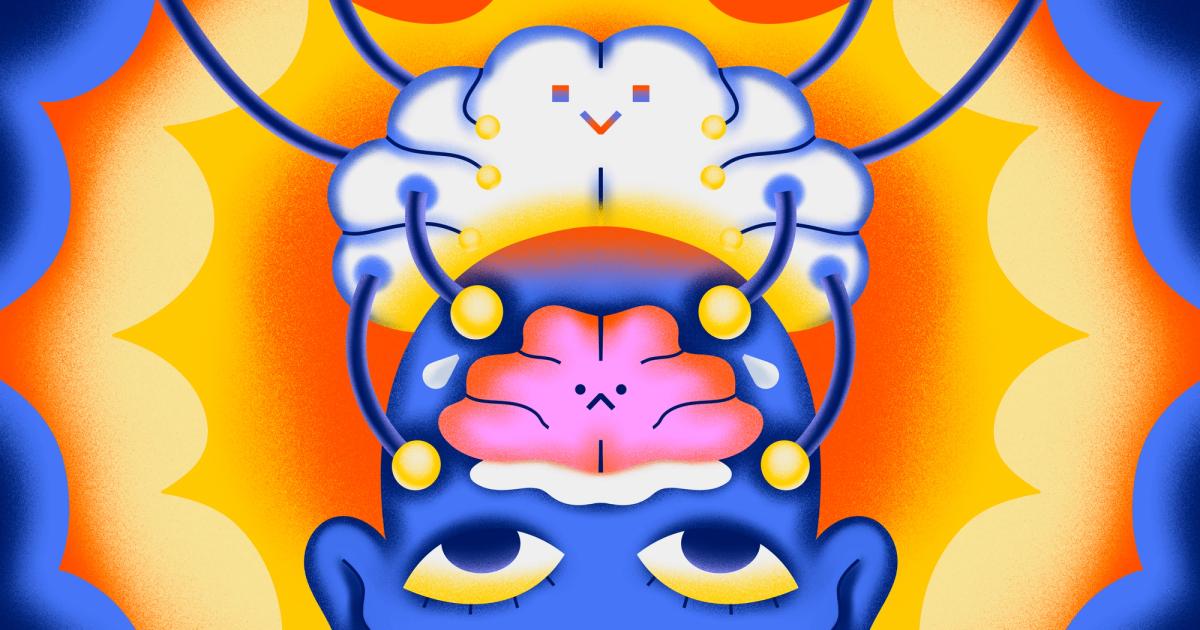
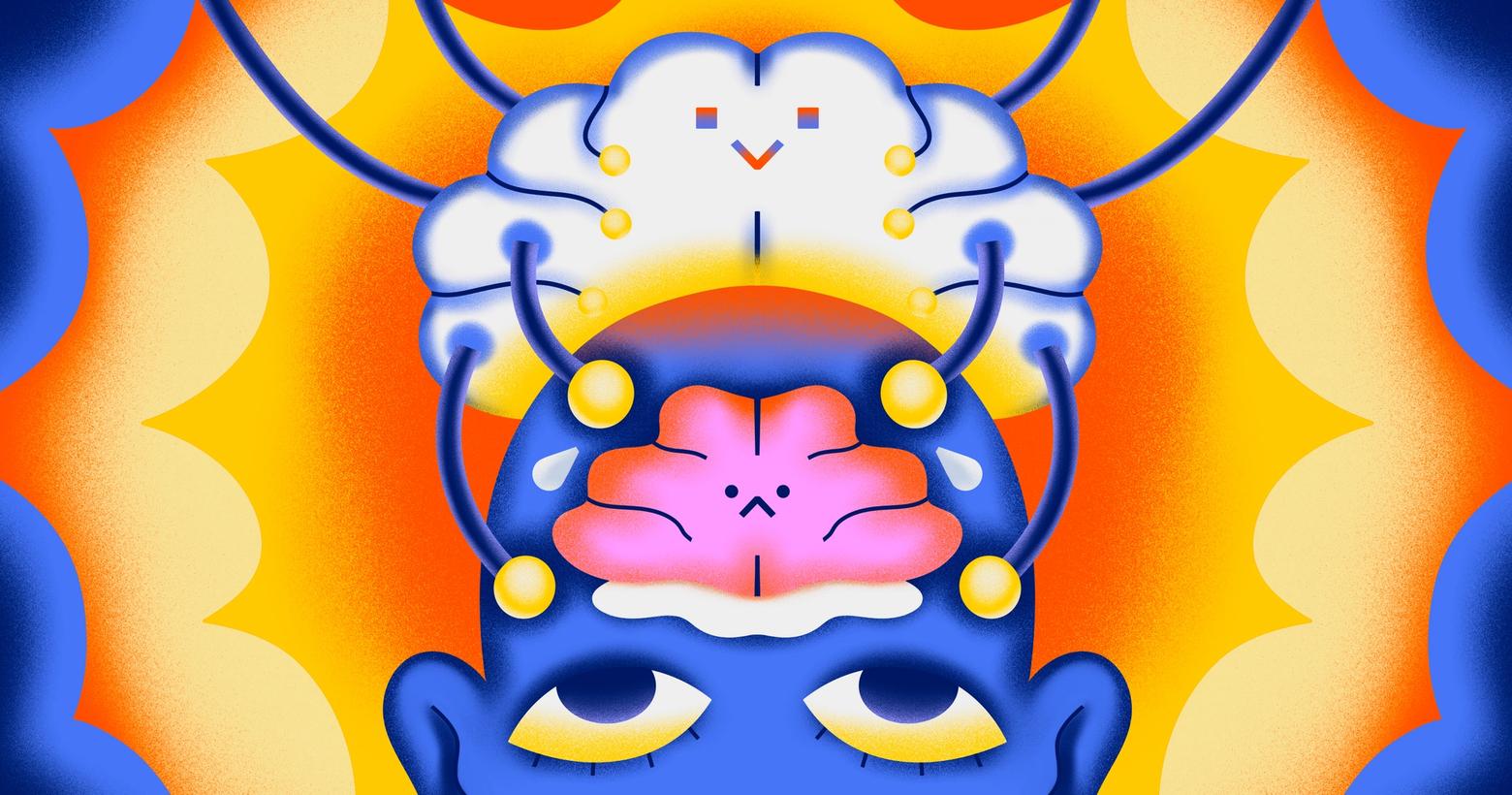
Artificial intelligence has become an indispensable tool for millions, acting as a tireless assistant that manages schedules, answers questions, and even generates creative content. It’s easy to see why many describe AI as a second brain—a powerful extension of our cognitive abilities. But as we delegate more mental tasks to algorithms, a troubling question emerges: are we losing our first brain in the process? The risk isn’t just about getting lazy or becoming lousy at critical thinking; it’s that we might outsource our judgment altogether, sacrificing the ability to make qualitative, moral, and interpersonal decisions that define human intelligence.
The Erosion of Critical Thinking
Critical thinking is the ability to analyze information, question assumptions, and draw reasoned conclusions. As AI tools handle more of our analytical work, this fundamental skill can atrophy. A 2023 study published in Nature Human Behaviour found that frequent reliance on AI for decision-making reduced participants’ cognitive engagement, leading to a measurable decline in their ability to evaluate complex problems independently.
Dependence on AI for Reasoning
When we ask AI to summarize a document, suggest a solution, or recommend a course of action, we often accept its output without scrutiny. Over time, this cognitive offloading trains the brain to bypass its own reasoning processes. Psychologists call this the “substitution effect”—where the ease of AI-generated answers replaces the effortful work of thinking. For example, students who use AI to outline essays may improve efficiency but struggle later to develop original arguments on their own.
Impact on Problem-Solving Skills
Problem-solving requires breaking down a challenge into parts, exploring alternatives, and learning from mistakes. AI can shorten this loop by offering instant answers, but it also removes the trial-and-error process that builds deep understanding. A 2024 survey by the Pew Research Center revealed that 45% of professionals using AI for data analysis reported feeling less confident in their own analytical abilities after six months of regular use. The convenience of a digital second brain may be costing us the resilience that comes from struggling with a problem.
Outsourcing Moral and Interpersonal Judgment
Perhaps the most alarming risk is not that we lose technical skills, but that we delegate moral reasoning and interpersonal sensitivity to machines. AI lacks the contextual awareness, empathy, and ethical nuance that humans rely on for decisions involving fairness, compassion, and social dynamics.
The Danger of Algorithmic Ethics
Algorithms are trained on historical data, which often contains biases. When we outsource ethical decisions—such as hiring candidates, granting loans, or even sentencing criminals—we risk amplifying systemic inequalities under the guise of objectivity. For instance, AI-driven hiring tools have been shown to discriminate against women and minorities because they learned from past hiring patterns. Relying on algorithms for moral judgments doesn’t just make us lazy; it can reframe what we consider acceptable, normalizing outcomes that lack human compassion.
Loss of Empathy and Nuance
Interpersonal judgments require reading emotions, understanding context, and sometimes breaking rules for the sake of kindness. AI cannot genuinely empathize; it can only simulate responses based on patterns. When we use AI to craft emotional messages, handle conflict, or even provide therapeutic support, we may discount the value of genuine human connection. Studies in communication science suggest that people who frequently rely on AI for social interactions report lower emotional intelligence scores over time, as they practice empathy less often.
Reclaiming Your First Brain: A Balanced Approach
The solution isn’t to abandon AI—it’s to use it intentionally. We can enjoy the benefits of a digital assistant while preserving and even strengthening our own cognitive faculties.
Strategies for Balanced AI Use
- Question AI outputs. Treat every answer as a starting point, not a final truth. Ask yourself: “What assumptions did the AI make? What information might it be missing?”
- Set limits on delegation. Use AI for repetitive or data-intensive tasks, but reserve complex reasoning, ethical decisions, and creative brainstorming for your own mind.
- Practice deliberate thinking. Regularly challenge yourself with puzzles, debates, or writing tasks that require deep concentration—without AI assistance. This keeps your critical thinking muscles active.
Cultivating Judgment Alongside AI
- Engage in reflective reasoning. After using an AI tool, summarize its recommendation in your own words and evaluate its validity. This reinforces your own analytical framework.
- Seek diverse perspectives. AI often reflects a narrow viewpoint based on its training data. Counteract this by discussing important decisions with people from different backgrounds, valuing human disagreement over algorithmic consensus.
- Prioritize moral and interpersonal practice. Make time for conversations that require empathy—listening, negotiating, comforting. These moments cannot be outsourced without loss of personal growth.
Conclusion: AI is a remarkable tool, but it is not a replacement for human judgment. The risk of outsourcing our critical thinking, moral reasoning, and interpersonal sensitivity is real. By consciously balancing AI use with active mental engagement, we can keep our first brain sharp while still benefiting from the second. The goal is not to compete with machines, but to ensure that we remain capable of the uniquely human judgments that no algorithm can truly replicate.