Green Iron Dream Fading: Australia Loses Head Start as Rivals Race Ahead
Australia’s ambition to become a global leader in green iron and steel is under threat, as rival nations rapidly close the technology and investment gap, according to a stark new report released today.
“Let’s actually get projects up and running before we lose our competitive edge entirely,” warned Dr. Alex Carter, lead author of the study from the Australian Clean Energy Institute.
The report, titled “Steeling the Future: Australia’s Green Iron Window is Narrowing”, finds that while Australia possesses the world’s richest iron ore reserves and abundant renewable energy, other countries are moving faster to build production capacity.
China, South Korea, and Germany have already committed billions of dollars to green hydrogen-based direct reduction plants, while Australia has only a handful of pilot projects.
Read the background to this story.
Rivals Surge Ahead
“We are seeing an unprecedented global race to decarbonize steelmaking, and Australia is at risk of being left in the dust,” Dr. Carter added.

The report notes that green iron—produced using renewable hydrogen instead of coal—is essential for meeting global climate targets and could create a multi-billion-dollar export industry for Australia.
Yet, without urgent policy intervention and private investment, the nation could squander its natural advantages.
“Our iron ore is among the best in the world, but that alone won’t secure our future,” said Professor Emma Lin, a steel industry expert at the University of New South Wales, who was not involved in the report.
“We need to actually build the infrastructure and secure offtake agreements.”
Other nations, including Japan and the European Union, have already established green steel partnerships and are offering subsidies to early movers.
Background
Australia is the world’s largest iron ore exporter, with massive deposits in Western Australia. The country also has some of the best solar and wind resources on the planet.
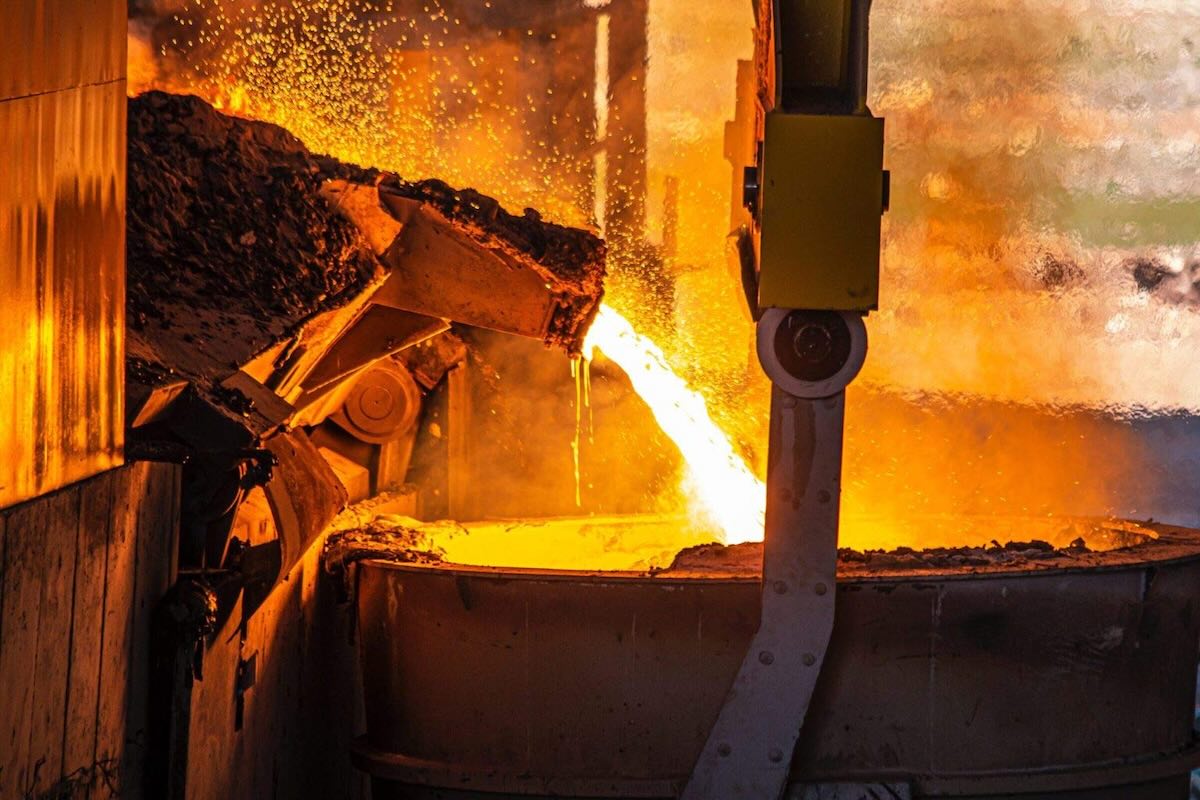
Green iron production combines renewable hydrogen with iron ore in a direct reduction process, eliminating coal and cutting carbon emissions by up to 95%.
Several Australian pilot projects, such as the Green Steel Pilot Plant in South Australia and the West Australian Hydrogen Hub, have been announced but lack final investment decisions.
Meanwhile, global competitors are moving fast: China’s HBIS Group has started constructing a 1.2-million-tonne green hydrogen steel plant, and South Korea’s POSCO plans to produce 40% of its steel using green hydrogen by 2050.
What This Means
For Australia, failing to act could mean losing a once-in-a-generation opportunity to create thousands of jobs in renewable energy and manufacturing.
“If we don’t get projects moving in the next 18 months, other countries will lock in supply chains and technology leadership,” Dr. Carter warned.
The report recommends an immediate government-backed loan facility, streamlined environmental approvals, and a carbon pricing mechanism that rewards low-emission steel.
For investors, the message is clear: Australia’s green iron window is closing, but early movers could still capture significant value if they move now.
“This is a race, not a marathon,” concluded Professor Lin. “And Australia has just stumbled at the starting line.”