The Book That Built a Generation: How 101 BASIC Computer Games Sparked the Home Computer Revolution
Before graphical interfaces and app stores, early personal computers greeted users with a blinking cursor on a blank screen. The only way to make them do something useful—or fun—was to type in programs by hand from books. One such book, 101 BASIC Computer Games, became the most influential publication of the BASIC era, launching countless programming careers and even inspiring the founding of Creative Computing magazine. Below, we explore the story behind these pioneering works and their lasting impact on computing history.
What Made 101 BASIC Computer Games So Influential?
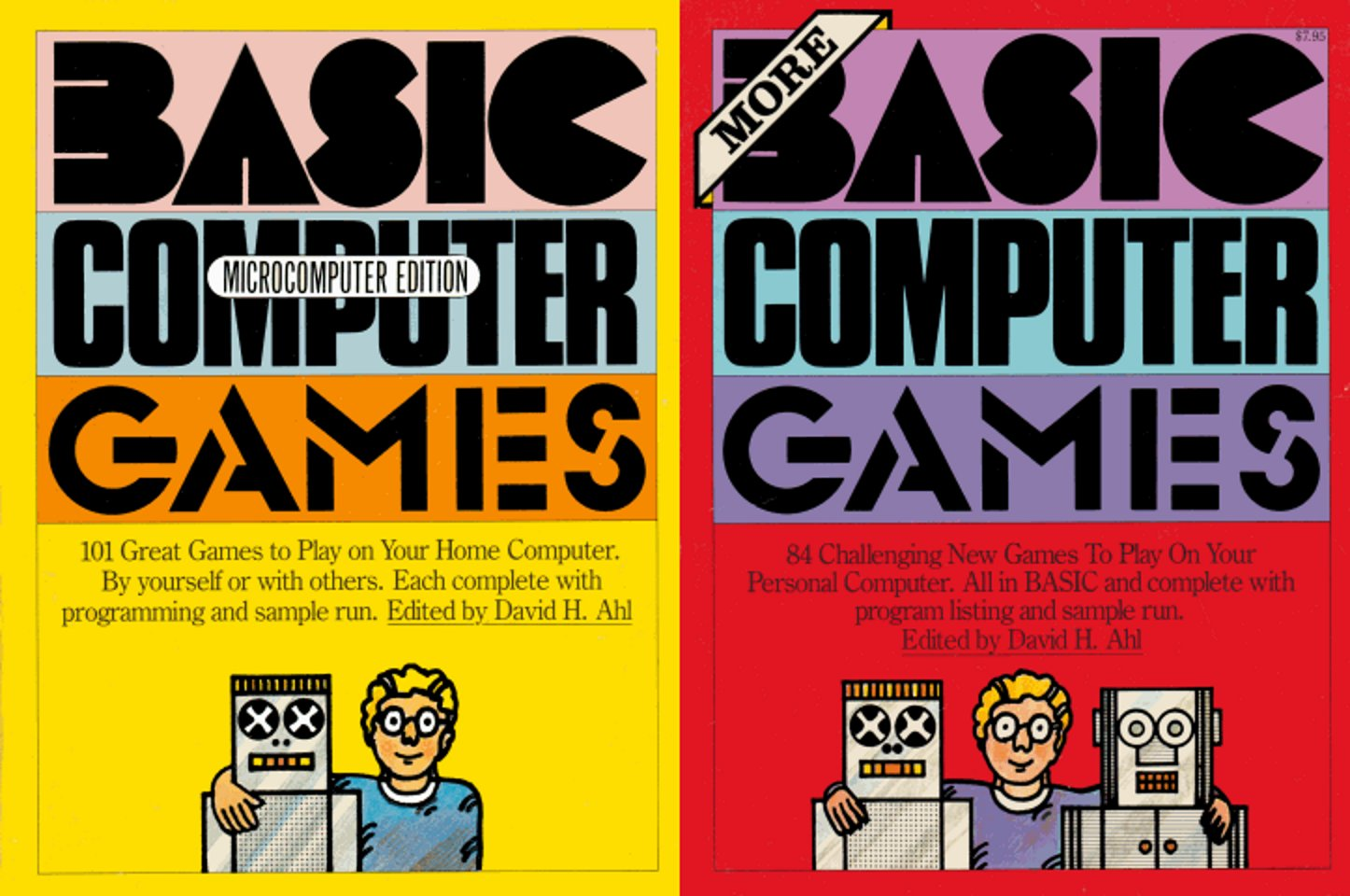
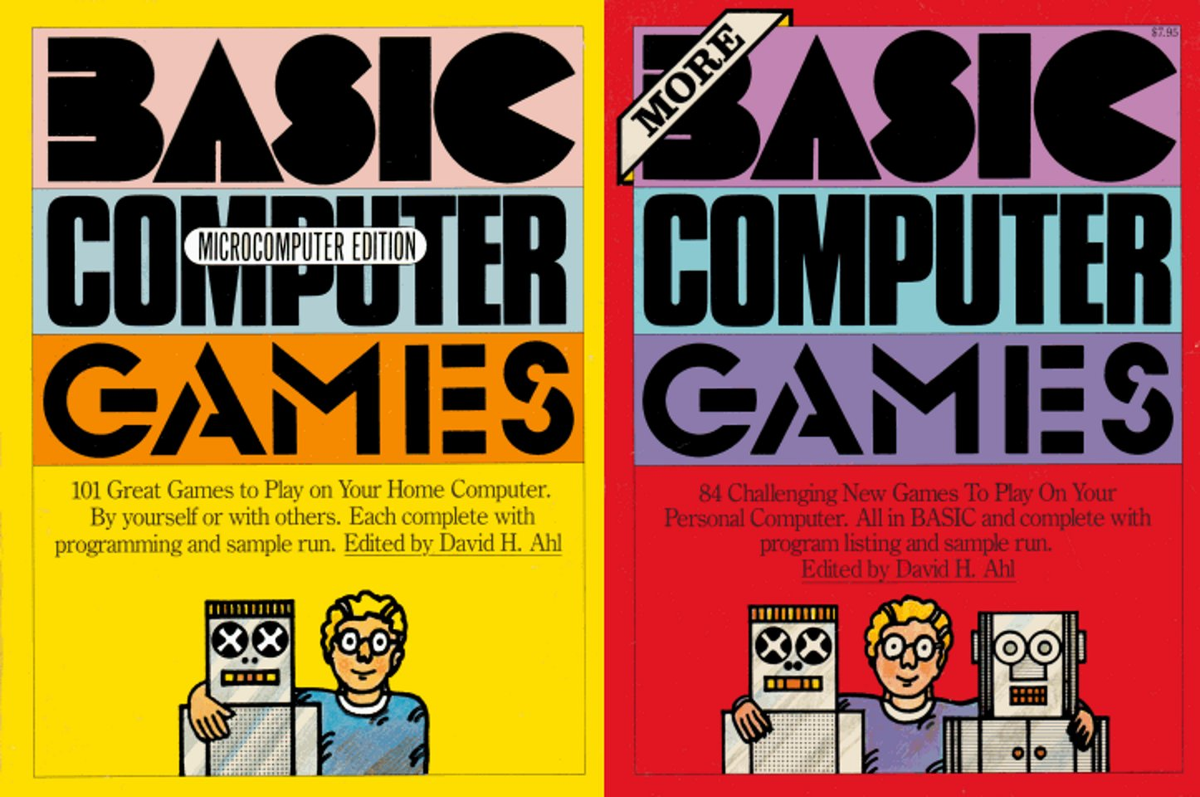
This book was more than a collection of simple games—it was a gateway to programming for thousands of hobbyists. Compiled by David Ahl, it contained fully listed BASIC programs that users could manually type into their home computers. At a time when the only alternative was expensive cassette tape drives, this allowed anyone with a computer to experience interactive software. The games were fun, but the real lesson was in how they worked. By typing and debugging code line by line, beginners learned the fundamentals of programming logic, input/output, and algorithmic thinking. For many, it was their first and most memorable coding experience. The book's popularity also proved that there was a massive hunger for accessible software, paving the way for the home computer revolution. Its influence extended beyond hobbyists: it inspired Ahl to launch Creative Computing magazine, which further spread the gospel of programming. In essence, 101 BASIC Computer Games turned passive computer users into active creators.
How Did David Ahl Build Creative Computing from Scratch?
After leaving DEC in 1974, David Ahl had a vision for a magazine that would connect and inspire computer enthusiasts. With limited capital, he substituted money with what he called “sweat equity.” He edited articles, wrote content, took photographs, drew illustrations, and even laid out pages himself. He produced circulation flyers, pasted mailing labels by hand, and sorted bundles. By October 1974, he had only 600 subscribers, but he gambled on printing 8,000 copies—using half of the subscription money to pay the printer. When the magazines arrived on two skids, he was initially dismayed, but over three trips he filled his basement and garage with 320 bundles of 25 magazines each. He delivered the 600 subscriber copies to the post office the next day, then spent nearly three weeks hand-pasting labels onto the remaining 7,400 copies and sending them unsolicited to libraries and schools across the country. This audacious move helped build a readership and established Creative Computing as a cornerstone of early computing culture.
What Was the Typical Computer Experience Like in the 1970s and Early 80s?
Boot up a computer from that era and you were greeted not by a desktop or app icons, but by a command line—a blinking prompt waiting for instructions. If you owned a cassette tape drive, you could load programs from tape by typing a few commands, but such drives were expensive add-ons. Most users had a different approach: they typed in entire programs from books like 101 BASIC Computer Games. This meant meticulously copying lines of code from the printed page into the computer's memory, a painstaking but rewarding process. It was not uncommon to spend an evening typing in a game, only to find a typo that required debugging. Mistakes were part of the learning curve. This hands‑on method taught users not just how to run software, but how it was constructed. For many, this was the closest they ever came to a “good time” with technology. It was a community of self‑sufficient tinkerers who shared a common language: BASIC.
How Did These Books Connect with the Release of the “Trinity” Microcomputers?
In 1977, three groundbreaking microcomputers—the Apple II, the Commodore PET, and the TRS‑80—were released to the public at prices ordinary people could afford. All three came with BASIC built into their ROMs, meaning every owner instantly had a programming language at their fingertips. This perfectly complemented the existing books like 101 BASIC Computer Games, which provided ready‑to‑run programs that worked on any machine with BASIC. The timing was ideal: the book already had a devoted following from its 1973 DEC publication and its later distribution by Creative Computing. As the trinity gained popularity, enthusiasts could easily type in the same games across platforms. The book became a universal cookbook for early microcomputer users, bridging the gap between different hardware. In many ways, it helped standardize the experience of learning to program, ensuring that regardless of which machine you owned, you could share the same foundational activities.
What Personal Impact Did These Publications Have on the Author of This Article?
The text states that “in a way, these two books are responsible for my entire professional career.” This reflects the profound effect 101 BASIC Computer Games and Creative Computing had on the writer’s life. Growing up with early computers, the author likely spent countless hours typing in the games, learning to debug, and eventually modifying them. That hands‑on experimentation provided a foundation in programming that led to a career in technology. The books were not just passive entertainment—they were active textbooks that taught by doing. For countless others, similar stories abound. The author’s personal connection underscores how one publication can shape an individual’s path, and by extension, the entire field of computing. It is a testament to the power of accessible, well‑documented code to inspire future developers, engineers, and even the creators of today’s digital world.
What Was the Key Timeline of Events for 101 BASIC Computer Games and Creative Computing?
The timeline is essential to understanding how these projects unfolded. In 1971, David Ahl ported the original programs from the DEC FOCAL language to BASIC, making them more widely usable. Two years later, in 1973, 101 BASIC Computer Games was first published by DEC. Then, in 1974, Ahl founded Creative Computing magazine and secured the rights to the book from DEC, ensuring its continued distribution under his own imprint. Finally, in 1977, the “trinity” of affordable microcomputers—Apple II, Commodore PET, and TRS‑80—were released, all with built‑in BASIC. These dates show how the book and magazine anticipated and then rode the wave of the home computer boom. The three‑year gap between the book’s initial release and the microcomputer explosion meant that a ready‑made library of games and learning materials was already popular by the time the hardware became accessible. This fortuitous timing cemented 101 BASIC Computer Games as the single most influential book of the BASIC era.