Inside Apple's Acquisition Playbook Under Tim Cook: Hardware, Software, and Services
Tim Cook's tenure at Apple has been marked by a distinct approach to mergers and acquisitions. While the company famously passed on buying Tesla, it has quietly assembled an impressive portfolio of smaller companies spanning hardware, software, and services. These acquisitions often fly under the radar but play a critical role in Apple's product ecosystem and long-term strategy. Below, we explore the most notable deals, the reasoning behind them, and how they've shaped the Apple we use today.
1. What is the overall strategy behind Apple's acquisitions under Tim Cook?
Apple's acquisition strategy under Tim Cook is focused on filling specific technological gaps, acquiring talent (so-called "acqui-hires"), and gaining intellectual property that can be integrated into future products. Unlike some tech giants that buy entire companies for their user base or revenue streams, Apple typically purchases smaller, innovative firms—often without revealing the terms. The goal is to enhance existing products (e.g., camera tech for iPhones, AI for Siri) or to enter new categories (e.g., Beats for audio, Intel's modem business for chips). Cook has stated that Apple looks for companies that share its values and can accelerate its roadmaps, rather than chasing market share or consolidation.
2. Which hardware acquisitions have had the biggest impact on Apple's products?
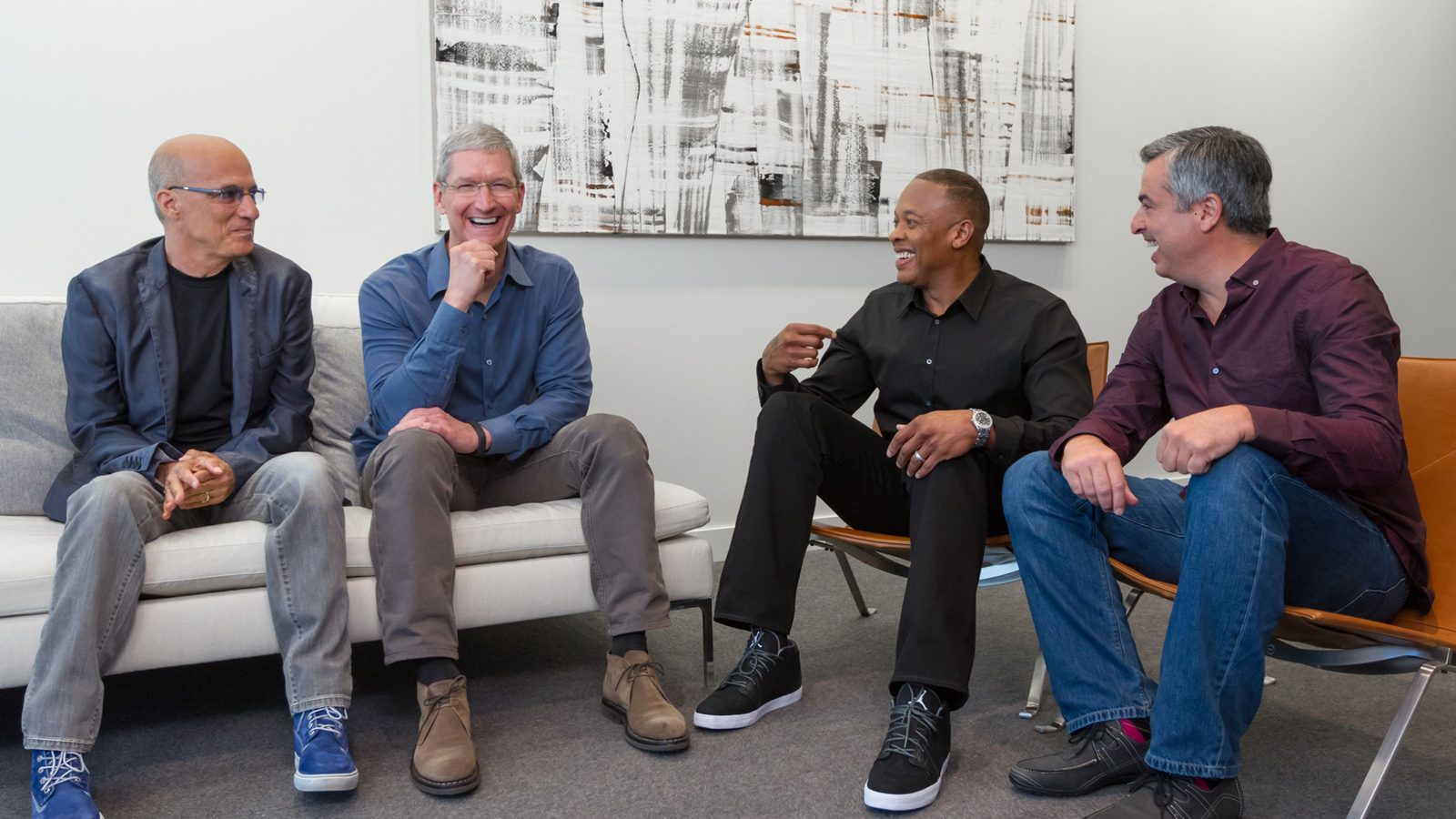
Perhaps the most famous hardware acquisition under Cook is Beats by Dre ($3 billion in 2014). This deal not only boosted Apple's audio and headphone lineup but also provided the foundation for Apple Music. Another critical hardware move was the $1 billion purchase of Intel's smartphone modem business in 2019, which gave Apple a dedicated team and patents to develop its own 5G modems, reducing reliance on Qualcomm. Other smaller buys—like LuxVue (microLED display technology) and Kinoma (low-power processors)—have influenced Apple Watch and future displays. These acquisitions show Apple's preference for owning key components and technologies.
3. How have software and services acquisitions shaped Apple's ecosystem?
Software and services deals under Cook have been instrumental in expanding Apple's offerings beyond hardware. The $400 million purchase of Shazam (2017) integrated song recognition directly into iOS and Apple Music, enhancing user experience. Workflow (2017) became the basis for the Shortcuts app, bringing automation to iPhone users. Texture (2018) was folded into Apple News+, and Dark Sky (2020) improved weather data in the stock Weather app. These acquisitions allow Apple to quickly add robust features without building from scratch, reinforcing its services revenue stream—a key growth area for the company.
4. Why did Apple pass on buying Tesla, and how does that fit its M&A style?
In 2020, rumors surfaced that Apple had considered acquiring Tesla at around $90 per share years earlier, but the deal never materialized. The reason likely boils down to scale and culture. Apple's M&A playbook involves small, easy-to-integrate teams and technologies—not massive automakers with thousands of employees and complex supply chains. Buying Tesla would have been a financial and managerial distraction from Apple's core business. Instead, Apple focused on its own autonomous vehicle project (Project Titan) and made smaller acquisitions in lidar, mapping, and electric vehicle technology. The decision underscores Cook's disciplined, incremental approach to expansion.
5. What role do AI and machine learning acquisitions play in Apple's strategy?
Apple has quietly snapped up dozens of AI startups to bolster its machine learning capabilities across products. Examples include Turi (2016, around $200 million) for on-device ML tools; Xnor.ai (2020) for low-power edge AI; and Inductiv (2020) for data cleaning algorithms. These buys feed into features like Siri, Face ID, Photos search, and Apple Health. Unlike competitors that rely on cloud AI, Apple emphasizes on-device processing for privacy—so acquiring startups with efficient, local AI is a strategic priority. The total is over 20 AI-related acquisitions in Cook's era, making it one of the most active areas.

6. Are there any notable acquisition failures or underperformers under Cook?
While most Apple acquisitions are kept quiet and integrated successfully, some have raised eyebrows. The AuthenTec deal in 2012 (reportedly $356 million) gave Apple Touch ID, which was a hit—so not a failure. However, the iPad keyboard accessory maker, Synaptics rumor (not acquired) and the lackluster reception of Apple Maps (which stemmed from acquisitions like Placebase and Poly9) show that not every bet pays off immediately. The Beats acquisition was criticized as expensive, but it ultimately strengthened Apple's music ecosystem. Overall, due to Apple's rigorous diligence and small-scale approach, there are few public flops—but the company occasionally writes down assets when technologies don't pan out.
7. How does Apple's acquisition process differ from other tech giants?
Unlike Google, Microsoft, or Facebook, Apple rarely buys companies for their user base or to eliminate competition. Instead, it targets small teams (often under 50 people) with unique expertise or patents. Financial terms are seldom disclosed, and acquisitions usually disappear into Apple's existing product groups without a separate brand. Cook has stated that Apple focuses on "buying innovation" to speed up its own development. Additionally, Apple avoids hostile takeovers and prefers companies that are excited to join the Apple culture. This quiet, strategic approach has made Apple one of the most successful acquirers in tech, with a high rate of integration into products that reach millions.
8. What might the future hold for Apple's M&A under Tim Cook?
Given the trend, future acquisitions will likely center on health technology (e.g., wearables sensors), augmented reality (AR glasses), and original content for Apple TV+. Apple is also expected to buy more companies that can help it internalize chip design and manufacturing. Recent deals like AI video search company Videos.ai (2021) suggest continued focus on on-device intelligence. As the company grows its services and gears up for new product categories (such as mixed-reality headsets), expect more small, targeted buys rather than blockbuster purchases. Cook's last major deal before retirement could be something transformative, but history shows Apple will stick to its disciplined playbook.