Building a Virtual-First Company: Dropbox's Blueprint for Remote Work Success
Overview
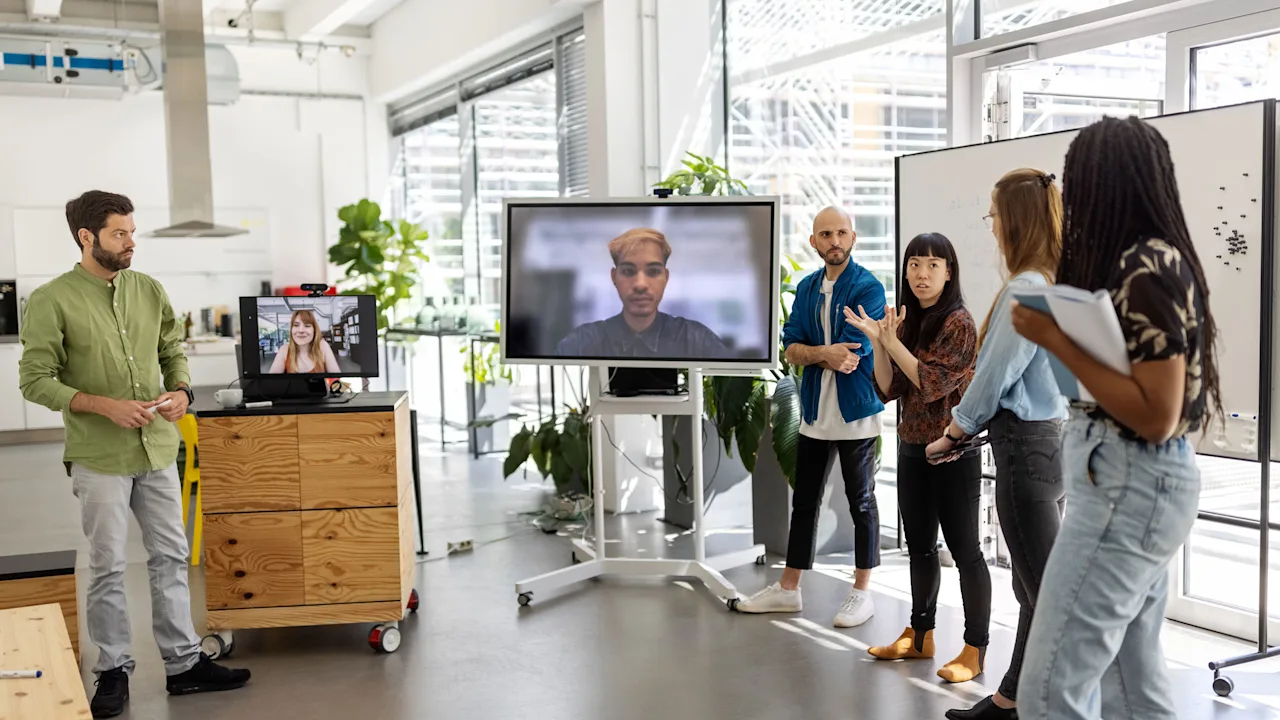
In the heated debate over return-to-office (RTO) mandates, Dropbox has taken a contrarian stance: fully embrace remote work and explicitly reject hybrid models. The company's chief people officer, Melanie Rosenwasser, calls hybrid “the worst of all worlds,” where employees endure long commutes only to sit on Zoom calls with distributed colleagues. Instead, Dropbox operates under a virtual-first model—a philosophy that treats remote work as the default, not an exception. This guide breaks down the key principles and practices that Dropbox uses to make virtual-first work, offering a actionable blueprint for organizations considering a similar path.
Prerequisites
Before diving into the steps, ensure your organization is ready for a virtual-first transformation:
- Leadership buy-in – Executives must champion remote work as a strategic advantage, not a temporary fix.
- Trust-based culture – Managers need to focus on outcomes, not hours logged.
- Asynchronous tools – Invest in platforms like Slack, Notion, Jira, and Loom for written communication.
- Clear expectations – Define roles, responsibilities, and decision-making processes upfront.
- Employee flexibility – Recognize that one-size-fits-all schedules don't work across time zones.
Step-by-Step Guide: Dropbox's Virtual-First Playbook
Step 1: Declare “Virtual-First,” Not Hybrid
Dropbox explicitly avoids hybrid arrangements. Rosenwasser argues hybrid forces in-office employees to interact with remote colleagues via video, negating the benefits of physical presence. Instead, commit to a virtual-first policy where all employees work from anywhere, and the office (if any) becomes a collaboration space for intentional gatherings, not daily commutes. This levels the playing field and prevents the “two-class” system of remote vs. on-site.
Step 2: Set Core Collaboration Hours
Dropbox designates a four-hour block each day—the core collaboration hours—when most meetings happen. These hours overlap across time zones to maximize synchronous interaction. Employees are expected to be available during this window, but outside it, they own their schedule. This structure prevents meeting creep and respects personal time.
Step 3: Embrace Asynchronous Work
Most decisions at Dropbox happen through writing: documents, chat threads, and recorded videos. The company uses the three D's to decide if a meeting is necessary:
- Discuss – Explore an open topic.
- Debate – Deliberate on a contested issue.
- Decide – Make a final call.
If none of these apply, the meeting can be replaced with an async update. This reduces meeting fatigue and allows deep focus work.
Step 4: Design Nonlinear Workdays
Remote work blurs personal and professional boundaries. Dropbox encourages nonlinear workdays—employees can take breaks for exercise, errands, or family time, then resume work later. The key is to trust employees and measure output, not hours. This flexibility combats burnout and supports work-life balance.
Step 5: Foster Community Through Intentional Practices
Without a physical office, community requires deliberate action. Dropbox implements:
- Onboarding buddies – New hires get a designated buddy to help them navigate the company.
- Team events – Monthly virtual or in-person gatherings (when safe) build relationships.
- “Meet & Move” – A program that turns walking into a meeting. Employees take calls while moving, combating sedentary behavior and boosting health.
Step 6: Address Burnout with Boundaries
Burnout is a risk in remote work. Dropbox tackles it by:
- Encouraging nonlinear schedules to avoid overwork.
- Promoting the use of “do not disturb” statuses and async hours.
- Providing resources for mental health and wellness.
Rosenwasser notes that when work from home, blending personal and professional life becomes easier to ignore boundaries. So the company intentionally puts structures in place to protect employee time.
Step 7: Measure Success with Culture Metrics
Dropbox tracks retention, engagement, and productivity through surveys and tools like Glassdoor. With 69% of employees recommending the company, the model appears to work. Regularly solicit feedback and adjust policies to maintain alignment with employee needs.
Common Mistakes When Implementing Virtual-First
- Falling into hybrid traps – Offering a mix of in-office and remote leads to inequity. Dropbox’s lesson: go all-in or risk resentment.
- Ignoring time zones – Core hours must be realistic. If you have global teams, rotate meeting times to avoid always disadvantaging one region.
- Overloading on synchronous meetings – If every issue requires a video call, you lose the advantages of async. Use the three D's religiously.
- Neglecting community – Remote work can feel isolating. Without deliberate bonding activities, culture erodes.
- Forgetting health – Remote workers sit more and exercise less. Programs like “Meet & Move” are simple but effective.
Summary
Dropbox’s virtual-first model demonstrates that rejecting hybrid work can create a more equitable, productive, and satisfied workforce. Key takeaways: default to async, set clear collaboration windows, trust employees to manage their own time, and invest in community. By following this blueprint, organizations can avoid the “worst of all worlds” and build a remote-first culture that retains global talent.