Gemini Intelligence vs Apple Intelligence: The AI Battle Heats Up
Introduction
The race to dominate the consumer artificial intelligence landscape is intensifying as Google unveiled its Gemini Intelligence suite on May 12, 2026, less than a month before Apple’s Worldwide Developers Conference (WWDC) on June 8. The timing appears strategic, aiming to steal the spotlight from Apple Intelligence, but questions linger about whether either tech giant can truly deliver on their ambitious AI promises. This article examines what Gemini Intelligence offers, how it stacks up against Apple’s upcoming AI push, and the broader implications for users.
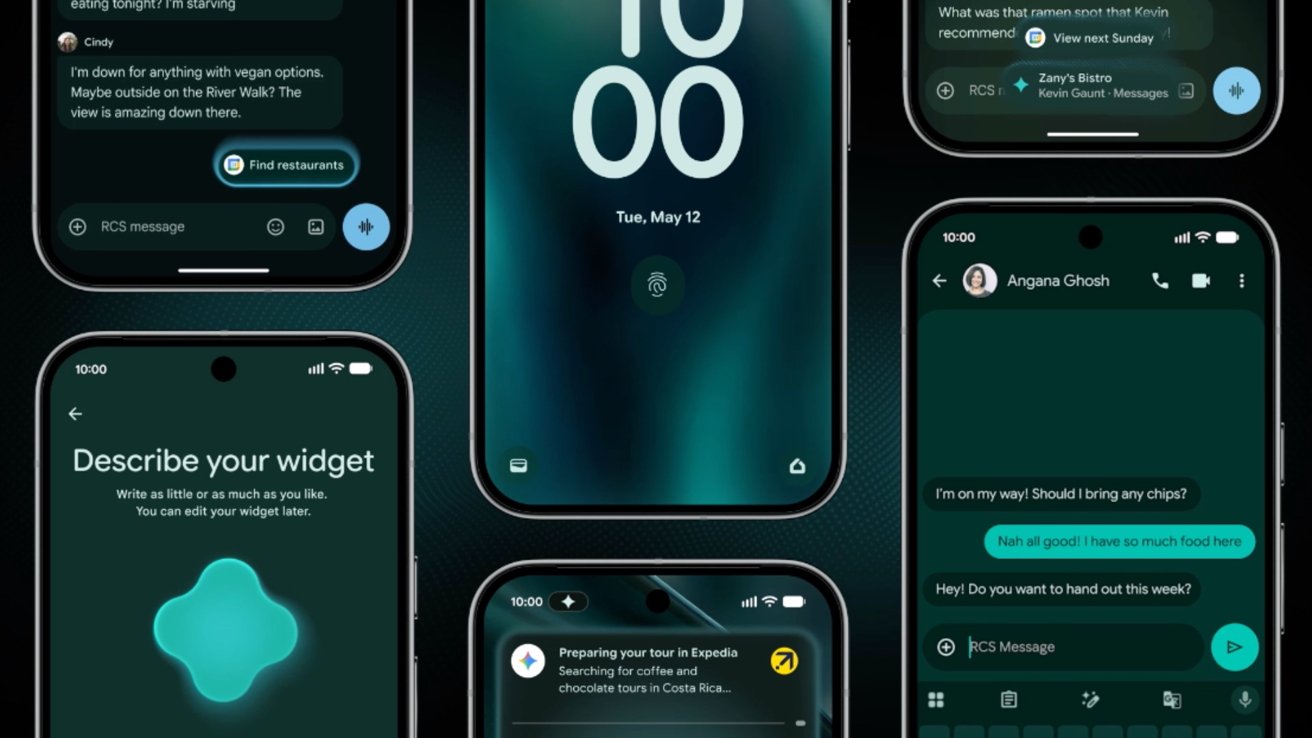
What Is Gemini Intelligence?
Gemini Intelligence is Google’s latest collection of AI-driven features integrated across its ecosystem, including Android, Google Workspace, and Pixel devices. Announced during a live-streamed event, the system builds on the existing Gemini model with enhancements focused on proactive assistance, multimodal understanding, and personalization.
Key Features of Gemini Intelligence
- Context-Aware Assistant: Unlike previous virtual assistants, Gemini Intelligence can analyze your screen, emails, calendar, and browsing history to offer real-time suggestions—from drafting replies to scheduling meetings without explicit commands.
- Multimodal Search: Users can search using text, voice, images, or even video clips. For instance, pointing your phone at a landmark triggers instant historical and navigational information with augmented reality overlays.
- Generative Productivity Tools: In Google Docs and Sheets, Gemini can generate summaries, create charts, and even write full drafts based on a few keywords. It also integrates with Gmail to prioritize and respond to messages.
- Privacy-First Design: Google emphasizes on-device processing for sensitive data, with cloud processing used only for complex tasks. Users can opt out of data sharing.
Apple’s Countermove: Apple Intelligence at WWDC
Apple is expected to unveil its own AI suite, Apple Intelligence, at WWDC 2026. While details remain under wraps, industry insiders predict features similar to Gemini but with Apple’s signature seamless integration across iPhone, iPad, Mac, and Vision Pro. The company’s focus is likely to be on on-device intelligence using its proprietary chips, which would give it a privacy advantage—a key differentiator.
What Apple Intelligence Might Include
- Siri Overhaul: Apple is rumored to be rebuilding Siri on large language models (LLMs), enabling natural, multi-step conversations without re-prompting.
- Cross-App Automation: Features like automatic photo categorization, email smart replies, and calendar conflict resolution across apps.
- Developer APIs: Apple may open up its AI capabilities to third-party developers, similar to how Core ML works today.
However, Apple’s history of conservative rollouts suggests that many features may be delayed or limited to newer hardware, echoing doubts about immediate impact.
Can Either Company Deliver on Their AI Promises?
Both Google and Apple face significant hurdles. Google’s Gemini model has been critiqued for occasional inaccuracies and hallucinations, while its data-collection practices raise privacy concerns. Apple’s challenge lies in achieving comparable functionality without compromising its privacy stance—a delicate balance that has historically slowed its AI ambitions.

Technical and Strategic Challenges
- Hardware Limitations: Sophisticated AI requires substantial processing power. Google’s Tensor chips and Apple’s M-series are powerful, but running LLMs locally drains battery and generates heat. Both companies will need to optimize aggressively.
- User Trust: AI assistants that access personal data risk backlash if misused. Google’s Gemini Intelligence offers opt-outs, but users remain wary; Apple’s adherence to differential privacy may win trust but could limit AI “intelligence.”
- Integration Fragmentation: Google’s AI works best within its own apps; Apple’s integration is tighter but ecosystem-locked. Cross-platform users may not see full value.
Timing and Competitive Dynamics
Google’s May announcement was clearly intended to steal Apple’s thunder before WWDC. Historically, Apple has used its June event to showcase innovations that define the next iPhone cycle. By pre-empting Apple, Google hopes to position Gemini Intelligence as the more mature platform. Yet, Apple’s ecosystem loyalty may give it an edge: its users are less likely to switch to Android for AI features alone.
What This Means for Consumers
In the short term, early adopters on Pixel and high-end Galaxy devices can try Gemini Intelligence features later this year. Apple users will likely have to wait until the iPhone 17 or later to experience Apple Intelligence fully. The real winner may be the AI assistant market as a whole, as competition forces both companies to improve quality, privacy, and usability.
Conclusion
Google’s Gemini Intelligence is a bold step forward, but its success depends on execution and user trust. Apple’s counter-announcement at WWDC will reveal whether it can catch up or leapfrog Google. For now, the battle highlights an undeniable truth: the future of personal computing will be shaped by how intelligently our devices anticipate and assist us. Read more about Gemini Intelligence features or explore Apple Intelligence rumors.