10 Groundbreaking Facts About NASA and Microchip's Next-Generation Spaceflight Processor
When humanity sets its sights on the Moon and Mars, computing power becomes as critical as rocket fuel. NASA's latest collaboration with Microchip Technology aims to revolutionize space exploration with a new system-on-chip (SoC) that delivers 100 times the performance of current space-grade processors. This partnership isn't just about faster calculations—it's about enabling autonomous rovers, real-time scientific analysis, and reliable operations in the harshest radiation environments. Below, we explore ten essential aspects of this cutting-edge project, from its technical breakthroughs to its broader impact on industries back on Earth.
1. A Historic Public-Private Partnership for Space Computing
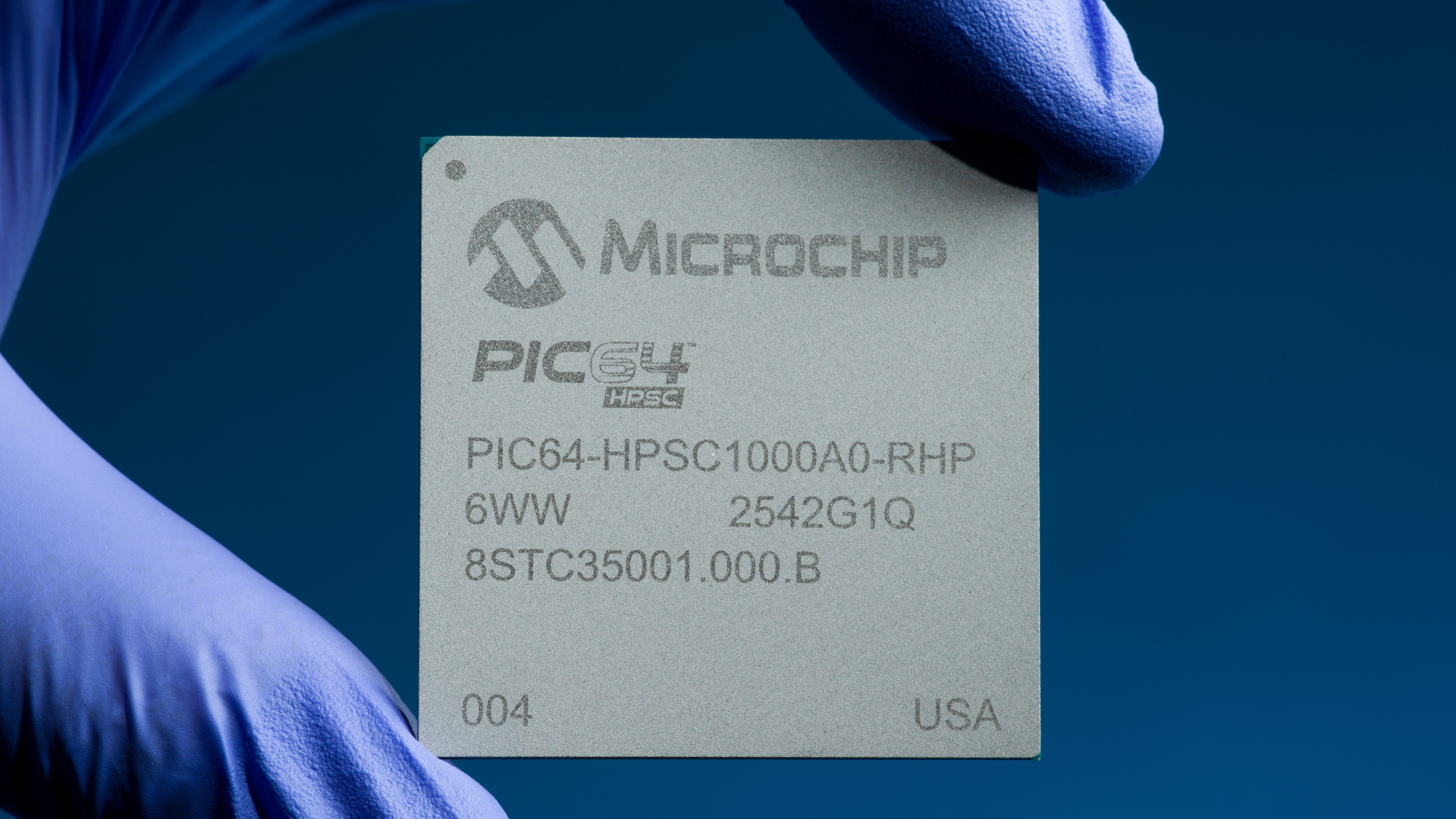
NASA and Microchip have formalized a joint effort under a cooperative agreement to develop the next-generation spaceflight microprocessor. Unlike previous government-only programs, this partnership leverages Microchip's commercial expertise in semiconductor design, particularly in radiation-tolerant and high-reliability chips. The goal is to create an SoC that not only meets NASA's stringent requirements for deep-space missions but also sets a new standard for computing resilience. This collaboration highlights a growing trend where space agencies tap into private sector innovation to accelerate technology development while reducing costs.
2. 100x Performance Leap Over Current Space-Grade Chips
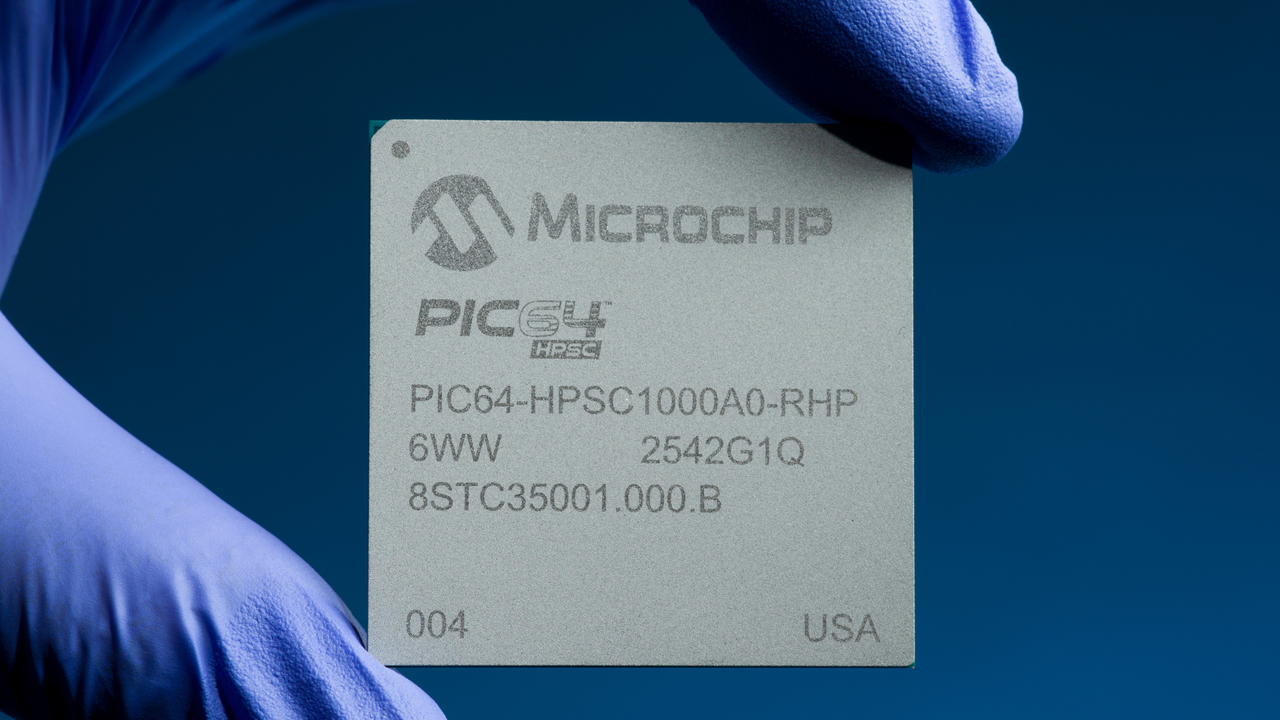
Existing processors used in space, like the RAD750 or BAE Systems' RAD5545, offer limited computing power—typically comparable to early 2000s consumer CPUs. Microchip's new chip aims to deliver a 100-fold increase in performance. This means future spacecraft can process complex data in real time, run advanced AI algorithms, and handle multiple tasks simultaneously without relying on Earth-based control. For perspective, a 100x boost could allow a Mars rover to analyze rock samples on-site, making autonomous decisions that save months of communication lag.
3. Built to Survive Extreme Radiation Environments
Space is filled with high-energy particles that can corrupt electronic circuits, causing bit flips or permanent damage. The new chip is being designed with specialized radiation-hardening techniques, including error-correcting memory, radiation-tolerant logic cells, and (potentially) silicon-on-insulator technology. These features ensure that the processor remains operational during solar flares, through the Van Allen belts, and on the surface of Mars, where cosmic radiation is a constant threat. Reliability is paramount: a single chip failure could jeopardize a multi-billion-dollar mission.
4. Designed for Extended Lunar and Martian Missions
NASA's Artemis program aims to establish a permanent human presence on the Moon, followed by crewed missions to Mars. These long-duration expeditions require electronics that can withstand years of radiation exposure and extreme temperature swings—from -180°C on the lunar night to 120°C in sunlight. Microchip's SoC is specifically engineered for such conditions, with a wide operating temperature range and built-in redundancy. The chip will power life-support systems, navigation, communication, and scientific instruments for habitats, landers, and rovers operating far from Earth.
5. A Versatile System-on-Chip Architecture
Instead of a simple CPU, the new design integrates a full system-on-chip (SoC) combining processor cores, memory controllers, input/output interfaces, and specialized accelerators. This reduces the number of separate components, saving weight, power, and space—critical factors in spacecraft design. The SoC may include RISC-V or ARM-based cores for general-purpose computing, along with FPGA-like programmable logic for custom tasks. Such flexibility allows mission planners to reconfigure the chip's functionality remotely, adapting to changing mission needs or unexpected challenges.
6. Power Efficiency Matches Performance Gains
Higher performance often comes at the cost of greater power consumption, but in space every watt is precious. Microchip's chip is being optimized for performance-per-watt, potentially using advanced process nodes (e.g., 7nm or 5nm) and power-gating techniques. Early estimates suggest the chip could deliver its 100x performance boost while consuming only slightly more power than current generation chips. This efficiency enables spacecraft to run more sophisticated software without increasing solar panel arrays or battery capacity.
7. Spillover Applications in Terrestrial Industries
NASA explicitly intends for the technologies developed in this project to be widely adopted on Earth. The radiation-hardened design principles translate directly to automotive electronics (where chips must survive under the hood) and aerospace avionics (critical flight systems). Additionally, the high-reliability manufacturing processes could benefit medical devices, industrial automation, and data centers seeking fault tolerance. Microchip expects to commercialize variants of the chip for non-space markets, driving down costs through volume production.
8. Timeline and Milestones Ahead
The partnership is currently in the early development phase, with design, simulation, and prototyping underway. A key milestone is the fabrication of test chips, likely within two to three years, followed by radiation testing at facilities like the NASA Goddard Space Flight Center or the Space Radiation Laboratory. Full qualification for spaceflight could take five to seven years, aligning with future Artemis missions to the Moon (late 2020s) and initial Mars exploration in the 2030s. Microchip expects to release preliminary datasheets to potential customers within the next 12-18 months.
9. Open Architecture Encourages Third-Party Innovation
Unlike previous proprietary satellite processors, NASA and Microchip are considering an open instruction set architecture (ISA) such as RISC-V. This would allow universities, startups, and other space agencies to develop custom software and peripherals without licensing fees. An open ecosystem accelerates innovation by enabling shared libraries, specialized accelerators, and community-driven security patches. It also reduces vendor lock-in, ensuring that future missions can source chips from multiple manufacturers if needed.
10. A Critical Step Toward Autonomous Deep-Space Exploration
Perhaps the most exciting implication is the chip's role in enabling true autonomy for spacecraft. With 100 times more computing power, machines can process sensor data, navigate, and make decisions without waiting for commands from Earth. This is essential for exploring distant locations like Jupiter's moon Europa or Titan, where light delays make real-time control impossible. The new processor will empower rovers, drones, and orbiters to act as independent scientific agents, dramatically expanding the scope of what robotic explorers can achieve.
Conclusion
NASA's partnership with Microchip represents a pivotal moment in space computing. By aiming for a 100x performance increase, the project promises to unlock capabilities previously confined to science fiction—from AI-driven rovers to real-time analysis on Martian landscapes. But the benefits extend beyond the final frontier: the radiation-hardened, reliable designs will trickle down to cars, planes, and medical devices, making everyday technology safer and more robust. As development continues, eyes remain on the test results and eventual deployment. One thing is clear: the chips that power our future in space will also power a more resilient world on Earth.