Samsung and Union Enter Critical Mediation to Avert Massive Chip Plant Strike
High-Stakes Mediation Underway
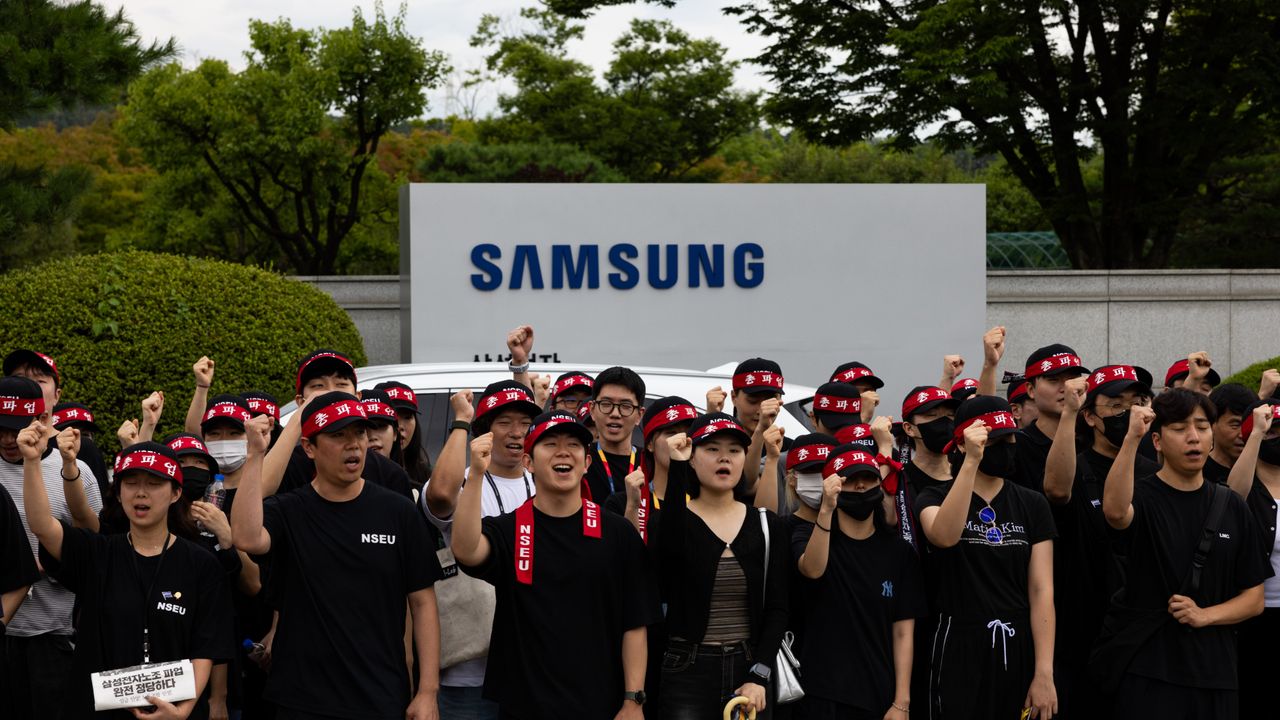
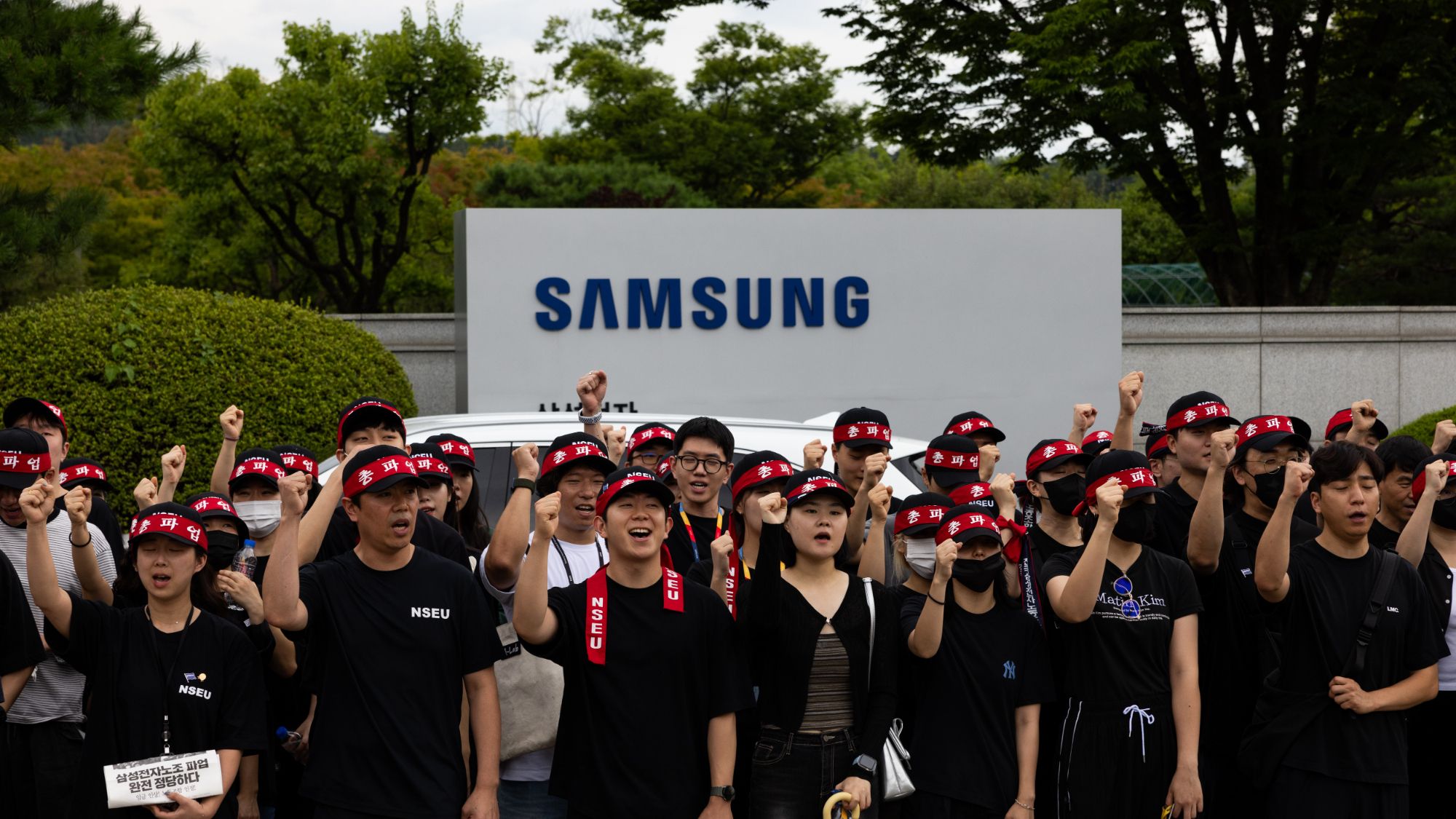
In a last-ditch effort to prevent an 18-day strike at a key semiconductor factory, Samsung Electronics and its labor union have entered government-mediated talks through South Korea's National Labor Relations Commission. The meeting follows the collapse of earlier mediation attempts in February and March, and comes as a potential work stoppage threatens to disrupt production of high-bandwidth memory (HBM) chips—a crucial component in AI applications.
The Economic Impact of a Strike
Analysts estimate that a full-scale strike could cost Samsung up to $20 billion in lost revenue and operational disruptions. The factory in question is central to Samsung's semiconductor supply chain, which supplies major clients like Nvidia. Any interruption in HBM production would ripple through global tech markets, exacerbating existing shortages.
Union Demands and Management's Position
The union, representing thousands of workers, is pushing for higher wages, better profit-sharing, and improved working conditions. Samsung management has offered a 5.1% wage increase but has resisted calls for a more significant share of the company's record profits. The mediation is seen as a make-or-break moment for labor relations at the country's largest conglomerate.
Government officials have urged both sides to reach a compromise, warning that a prolonged strike could damage South Korea's reputation as a reliable tech manufacturing hub. The National Labor Relations Commission is expected to propose a binding arbitration agreement if voluntary negotiations stall further.
Why HBM Production Matters
High-bandwidth memory is critical for data centers and AI accelerators. Samsung holds a substantial share of the global HBM market, competing with SK Hynix and Micron. A strike lasting 18 days could delay shipments and hand market share to rivals.
Industry observers note that Samsung has already faced challenges in ramping up HBM3E production to meet NVIDIA's quality standards. A strike would compound these delays, potentially costing the company long-term contracts.
Timeline of Failed Talks
The union and management first met in February 2025 under the commission's auspices but failed to agree on wage benchmarks. A second round in March ended abruptly after the union rejected a revised offer. Now, with a strike authorization vote passed by 78% of members, the pressure is on to find a solution before the walkout begins next week.
Both sides have expressed willingness to negotiate until the last minute, but positions remain far apart. The commission's mediators are working around the clock to bridge the gap.
What Happens Next?
If no agreement is reached by Friday, the union will commence the 18-day strike. Samsung has contingency plans, including using non-union workers and temporary staff, but acknowledges that full production cannot be maintained. The government has not ruled out issuing a public interest injunction to force a cooling-off period and mandate further talks.
Investors are eyeing the situation closely; Samsung's stock has already dipped 2.3% this week on strike fears. The outcome of these talks could set a precedent for labor negotiations across South Korea's tech sector.