The Canvas Cyberattack: 10 Critical Facts About the Nationwide Education Disruption
On a seemingly ordinary Thursday, students and faculty across the United States logging into Canvas were met with a chilling sight: a ransom demand instead of their coursework. The beloved learning management system, owned by Instructure, had been defaced by the cybercrime group ShinyHunters, who threatened to leak data from 275 million users. As schools scrambled and final exams hung in the balance, the attack sent shockwaves through the education sector. Here’s everything you need to know about this unprecedented breach.
1. The Scale of the Attack
The breach affected an astonishing 275 million students and faculty across nearly 9,000 educational institutions. This includes school districts, colleges, and universities nationwide. The sheer volume of potential victims makes this one of the largest education-related cyber incidents in history, highlighting how vulnerable critical infrastructure like learning platforms can be. The attack disrupted classes and communication for millions, amplifying the urgency of a swift resolution.

2. The Cybercriminal Group Behind It: ShinyHunters
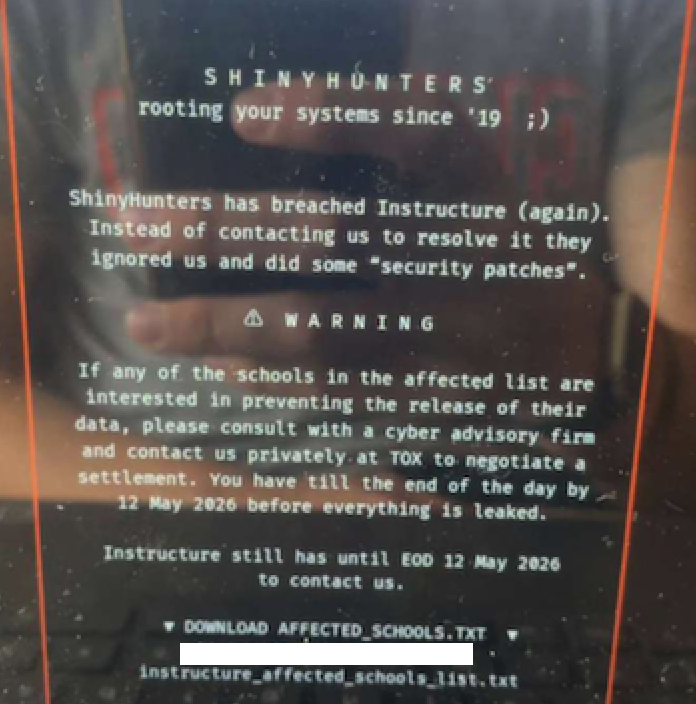
ShinyHunters, a well-known hacking group with a track record of data extortion, claimed responsibility. They are notorious for targeting high-profile organizations and demanding ransoms to prevent data leaks. In this case, the group leveraged a defacement of the Canvas login page to display their ransom note, a bold tactic designed to maximize visibility and pressure. Their initial deadline for payment was May 6, later pushed to May 12, but the attack escalated before that.
3. What Data Was Stolen?
According to Instructure's investigation, the stolen data includes names, email addresses, student ID numbers, and user messages. ShinyHunters claims to have billions of private messages, as well as phone numbers. Crucially, Instructure reported no evidence that passwords, dates of birth, government IDs, or financial information were taken. However, the combination of personal identifiers and internal communications still poses significant privacy risks for affected individuals.
4. Instructure’s Initial Response
Instructure acknowledged the breach earlier in the week and initially stated that Canvas remained fully operational with no ongoing unauthorized activity. In a May 6 update, they claimed the incident was "contained." But just a day later, the defacement forced them to take a different approach: they pulled Canvas offline entirely, replacing the ransom demand with a message about scheduled maintenance. This reactive measure underscored the challenge of managing a live cyber crisis.
5. The Defacement Incident
On Thursday, May 7, students and faculty flooded social media with screenshots showing the Canvas login page replaced by a ransom demand. The extortion message advised schools to negotiate directly with ShinyHunters, regardless of whether Instructure paid. This tactic aimed to create chaos and pressure multiple parties simultaneously. Instructure’s quick response—taking the platform offline—prevented further exposure but caused a nationwide blackout exactly when it was most needed.
6. Timing: A Nightmare for Final Exams
The attack could not have come at a worse moment. Many schools and universities were in the middle of final exams, with assignments, schedules, and grades all managed through Canvas. A prolonged outage threatened to derail academic calendars, leaving instructors and students scrambling for alternatives. The disruption highlighted the fragility of relying on a single platform for critical academic operations, especially during high-stakes periods.
7. The Ransom Demands and Stakes
ShinyHunters demanded a ransom from Instructure, but the defacement also directed affected schools to negotiate their own payments. The group threatened to release the stolen data if demands were not met. While the sensitivity of the data is debated, the potential leak of billions of private messages could expose personal conversations, embarrass individuals, and lead to identity theft. The dual-pressure tactic forced both Instructure and its clients into a difficult position.
8. What Schools and Students Should Do Now
Affected institutions should advise their communities to monitor accounts for unusual activity, change passwords (even if not compromised), and be wary of phishing attempts that may exploit the breach. Students should check official communications from their schools and not respond to any ransom-related messages. It’s also wise to review privacy settings on Canvas and limit sharing of personal information until the full extent of the breach is known.
9. Security Lessons for Educational Technology
This incident underscores the need for robust cybersecurity measures in edtech. Schools should implement multi-factor authentication, regular security audits, and data encryption. Institutions must also prepare incident response plans that include offline alternatives for critical functions like exams. The reliance on a single vendor creates a dangerous single point of failure; diversification and local backups are essential for resilience.
10. The Road Ahead for Instructure
Instructure faces a long recovery. Beyond restoring service, they must regain trust from schools and users. They have pledged to enhance security and provide updates, but the reputational damage may be significant. The company must also cooperate with law enforcement and potentially face lawsuits. For the education sector, this breach is a wake-up call: the digital transformation of learning demands equal investment in security infrastructure.
The Canvas cyberattack is a stark reminder that no platform is immune. As students await return to their studies, the incident will likely reshape how institutions think about data protection and crisis management. Staying informed and vigilant is the first step toward preventing the next catastrophe.