Embracing Difficulty: The Design Philosophy Behind Kingdom Come: Deliverance
In an industry often focused on smoothing the player experience, Warhorse Studios takes a contrarian approach. Prokop Jirsa, now co-creative director and lead designer for Kingdom Come: Deliverance 2, shares how the studio deliberately introduces friction to create a more immersive and rewarding game. His own journey into game development was equally unplanned, reflecting the studio's unique culture of hiring and training juniors. Below, explore the key insights from Jirsa's story and Warhorse's design ethos.
How did Prokop Jirsa end up at Warhorse Studios despite having no game development background?
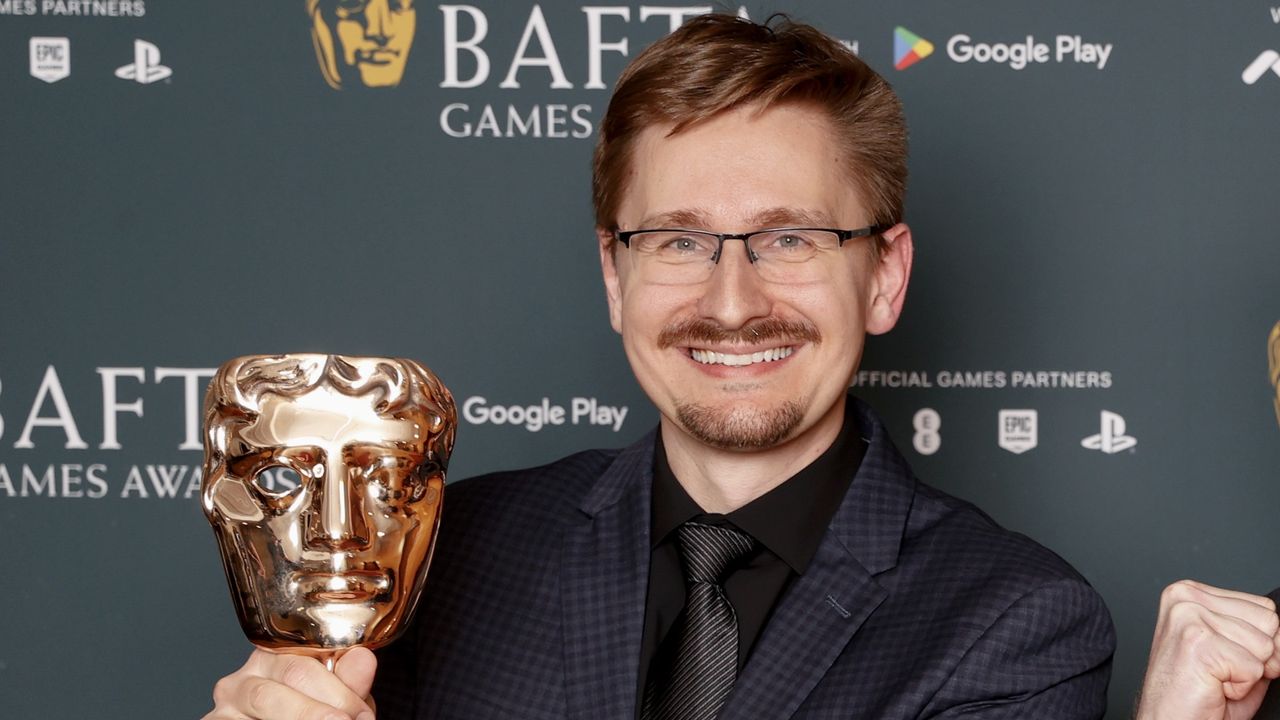
Jirsa never set out to make games. While finishing his economics degree in 2014, he saw Warhorse was hiring for various roles. With no programming or art skills, he applied for a generic "Designer" position—based purely on his passion for gaming. To his surprise, the studio hired him. He didn't even ask about salary until two weeks later. Warhorse was then a small team where most members were also novices, so Jirsa's lack of experience wasn't a drawback. The studio prioritized trainable talent over pre-existing expertise.
What makes Warhorse Studios' hiring philosophy unique in the game industry?
Warhorse deliberately hires juniors and invests in their growth. Jirsa notes that even now, the studio mostly recruits people who "don't know much" and then trains them internally. This approach stems from the Czech Republic's limited formal game development education at the time. Instead of competing for experienced veterans, Warhorse builds its own experts from the ground up. This has fostered a team that is adaptable, loyal, and deeply aligned with the studio's creative vision—including its signature design principle of not removing friction from gameplay.
Why did Kingdom Come: Deliverance turn to Kickstarter, and what does it reveal about the studio's early struggles?
Kickstarter was not Warhorse's first choice. Jirsa recalls it was "plan D, or F, or G." The studio had tried to secure traditional publishing deals, pitching the game globally, but the realistic medieval RPG about Czech history was a tough sell. Crowdfunding became a last resort that ultimately propelled the game to success. This struggle shaped the studio's resilient mindset—they were used to doing things the hard way, which later became a core part of their design philosophy: making games that challenge players rather than catering to comfort.
What does Jirsa mean by 'the secret sauce is making things difficult for players'?
Jirsa explains that in many game studios, the knee-jerk reaction to player frustration is to eliminate friction. At Warhorse, they do the opposite. They deliberately retain (and sometimes amplify) mechanics that require patience, skill, and learning—like realistic combat, limited saving, and complex quests. This design choice isn't about being punitive, but about creating deeper immersion and a stronger sense of achievement. When players overcome a difficult encounter, that victory feels earned. Jirsa argues this "friction" is what makes Kingdom Come: Deliverance memorable and distinct from more streamlined RPGs.
How did Jirsa rise from a novice designer to creative director without a long-term plan?
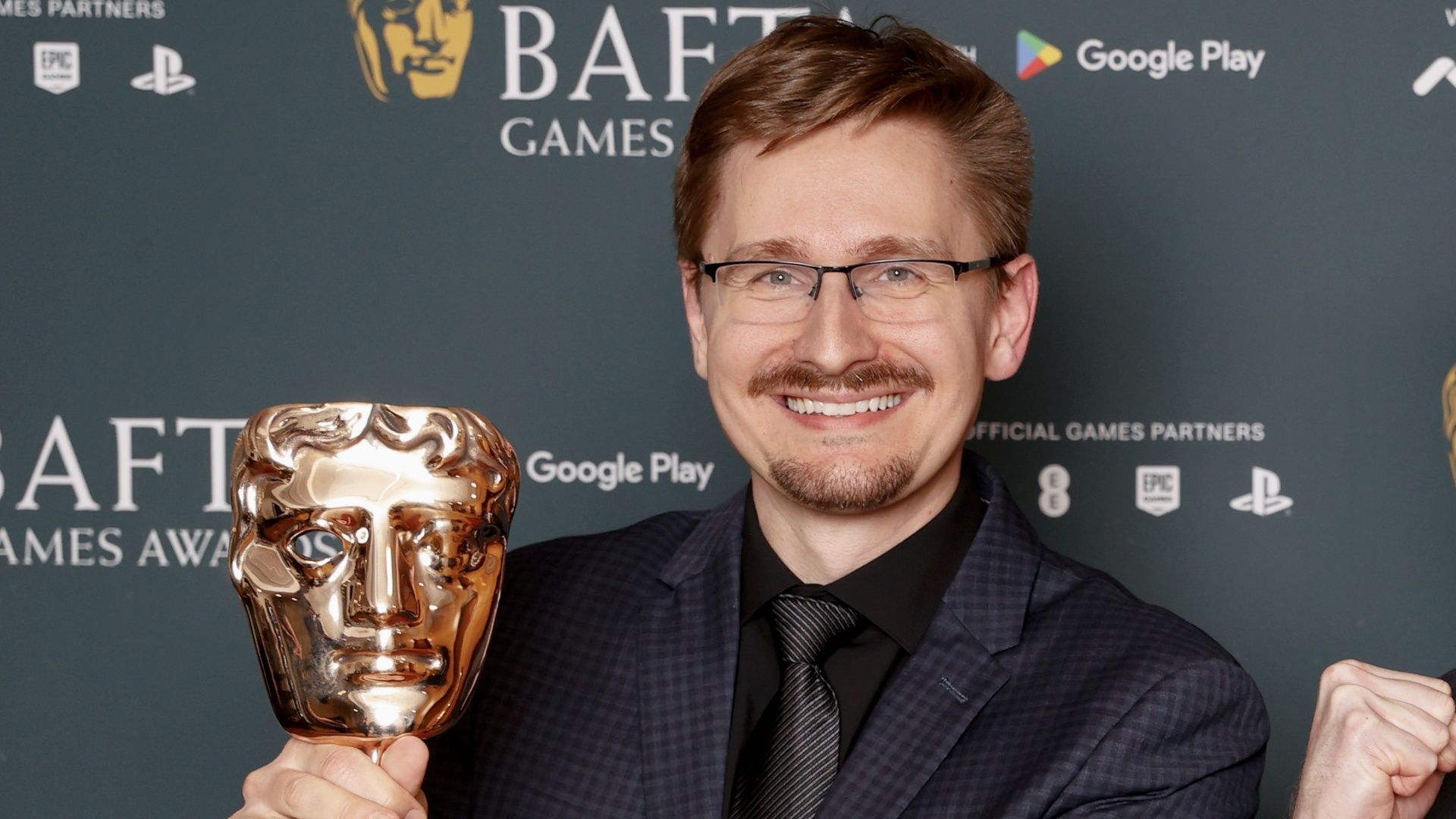
Jirsa admits there was never a 10-year masterplan. He joined Warhorse simply because he "really likes making games and playing games." Over the years, he grew into roles as lead designer and later one of two creative directors. His success came from a combination of hands-on learning, the studio's mentorship culture, and a continued passion for the project. He never expected to stay for 12 years, but the organic progression allowed him to contribute to the series' evolution while staying true to the original vision.
What role did the Czech game development scene play in Jirsa's early career?
The lack of formal game development education in the Czech Republic meant that many people entering the industry were self-taught or came from unrelated fields. Jirsa notes that this created an environment where studios like Warhorse were accustomed to training newcomers. This background aligns with the studio's philosophy: they don't demand previous expertise, but rather a willingness to learn. For Jirsa, this meant his economics degree wasn't a barrier; it was simply a different foundation. The scrappy, do-it-yourself spirit of the Czech scene reinforced Warhorse's approach to both hiring and game design.
How did Jirsa's lack of planning contribute to his success at Warhorse?
Jirsa believes that not having a rigid plan allowed him to be open to opportunities and adapt. He didn't have preconceived notions about what a game designer should do, so he learned by doing. This flexibility helped him embrace the studio's unconventional methods, including the idea that difficulty and friction are virtues. Without a predetermined career path, he could take on tasks that others might have passed by, gradually building the expertise that led to his current leadership role. His story reflects Warhorse's own journey—unplanned yet remarkably successful.