Mastering GitHub Copilot CLI: A Step-by-Step Guide to Interactive and Non-Interactive Modes
Introduction
If you're new to GitHub Copilot CLI, you'll quickly discover two distinct ways to work with it: interactive mode and non-interactive mode. Each mode serves a different purpose, and knowing when to use which can significantly boost your productivity on the command line. This step-by-step guide will walk you through everything you need to get started, from the initial setup to mastering both modes. You'll learn the differences, how to enter each mode, and practical tips for getting the most out of Copilot CLI in your daily workflow.
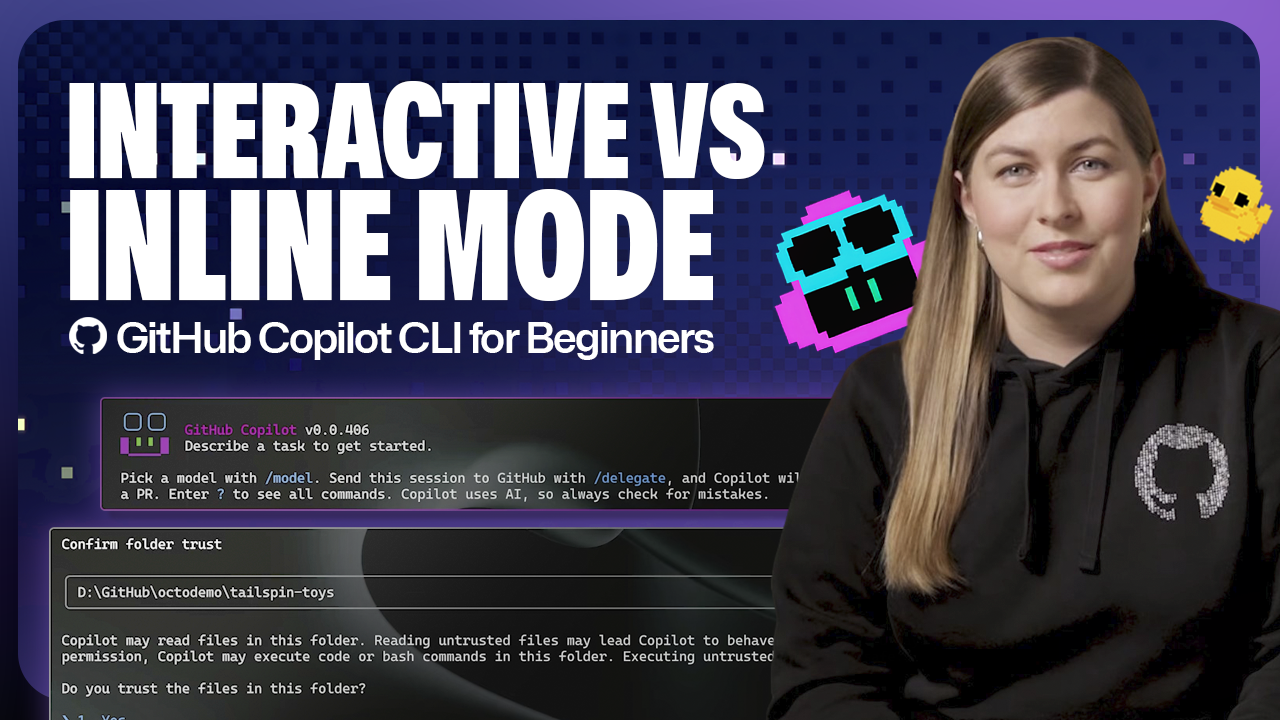
What You Need
Before you dive in, make sure you have the following prerequisites in place:
- GitHub Copilot subscription – Active individual, business, or enterprise plan with Copilot access.
- GitHub Copilot CLI installed – Follow the official installation guide for your operating system (macOS, Windows, Linux).
- Terminal or command prompt – A shell environment (bash, zsh, PowerShell, etc.) where you can run commands.
- Basic command‑line familiarity – Understanding of navigating directories, running commands, and editing files.
- An existing project (optional but helpful) – A directory with code you'd like to explore or modify using Copilot.
Overview of the Two Modes
GitHub Copilot CLI offers two modes that complement each other:
- Interactive mode – A chat‑like, back‑and‑forth session where you can ask questions, get detailed responses, and iterate on your request in real time. This is the default mode when you launch
copilotwithout any flags. - Non‑interactive mode – A quick, one‑shot approach where you provide a single prompt directly in the command line and receive an immediate answer. It is perfect for fast answers or integrating Copilot into automated scripts.
Both modes share the same underlying AI, but their usage patterns differ. The following steps will guide you through each mode in detail.
Step‑by‑Step Instructions
Step 1: Entering Interactive Mode
Interactive mode is ideal when you want to explore a problem, refine your question, or collaborate with Copilot on a complex task. Here's how to start:
- Open your terminal and navigate to the directory of your project (if applicable).
- Type
copilotand press Enter. The CLI will launch into interactive mode by default. - Copilot may ask for permission to access the current folder. Type
y(yes) to allow it to read and write files – this is necessary for many tasks like analyzing code or making changes. - You will see a prompt (
>>) indicating that Copilot is ready for your question. For example, ask: "How do I run this project locally?" - Copilot will respond with instructions. If you want it to execute the steps, you can follow up: "Can you run it for me?"
- The session remains open. You can continue asking follow‑up questions, request modifications, or explore other aspects of your project – all in the same interactive session.
Tip: To exit interactive mode, type exit or press Ctrl+C.
Step 2: Using Non‑Interactive Mode
Non‑interactive mode is designed for speed. You get a single answer without starting a full session. Follow these steps:
- Make sure you are at your regular command prompt (not inside a Copilot interactive session). If you were in interactive mode, type
exitfirst. - Use the
-pflag (short for "prompt") followed by your request within quotes. For example:copilot -p "Quickly summarize what this repository does and the key folders." - Press Enter. Copilot will immediately process the prompt and output the answer directly in your terminal.
- Once the response appears, you are back at your regular shell prompt, ready for your next command – no session to manage.
This mode is excellent for one‑off tasks like generating code snippets, explaining a file, or integrating Copilot into scripts (you can capture the output with standard shell redirection).

Step 3: Choosing the Right Mode for Your Task
Now that you know how to use both modes, here are some guidelines to help you decide which to use:
- Use interactive mode when:
- You need to explore a problem you don't fully understand yet.
- You want to iterate on a solution – ask a question, review the answer, then ask for refinements.
- You are working on a complex task that may require multiple steps or corrections.
- You prefer a conversational flow and want to stay in a focused Copilot session.
- Use non‑interactive mode when:
- You already know exactly what you need and want a quick answer.
- You want to summarize a file, get a code snippet, or translate a command.
- You are automating your workflow with scripts that call Copilot.
- You want to avoid leaving the current shell context for a brief question.
Step 4: Resuming a Previous Session (Bonus Tip)
If you exit interactive mode and later want to continue a conversation, GitHub Copilot CLI currently does not have a built‑in history resume feature for interactive sessions. However, you can keep your context by:
- Copying important responses to a text file before exiting.
- Using a terminal multiplexer (like
tmuxorscreen) to keep the session alive while you work elsewhere. - For non‑interactive mode, simply re‑run the same prompt – but note that the answer may vary slightly because each call is independent.
Tips for Getting the Most Out of Copilot CLI
- Be specific in your prompts. The more context you provide (e.g., file names, language, framework), the better the response.
- Use natural language. You can talk to Copilot as if you were asking a colleague. Avoid overly technical jargon unless necessary.
- Leverage file context. When in interactive mode, Copilot can read your project files. Mention file names or paths to get targeted help.
- Combine modes. Start with non‑interactive for a quick answer, then switch to interactive if you need to drill deeper.
- Trust but verify. Always review the code or commands Copilot suggests – especially when dealing with sensitive operations.
- Use the
--helpflag. Typecopilot --helpto see all available options and flags. - Stay updated. GitHub frequently improves Copilot; check the release notes for new features and improvements.
- Practice regularly. The more you use both modes, the more intuitive it becomes to choose the right one for each situation.
With these steps and tips, you're now equipped to harness the full power of GitHub Copilot CLI. Whether you're debugging, learning a new codebase, or automating repetitive tasks, interactive and non‑interactive modes give you the flexibility to work efficiently. Happy coding!